Original: $7.14
-70%$7.14
$2.14The Story
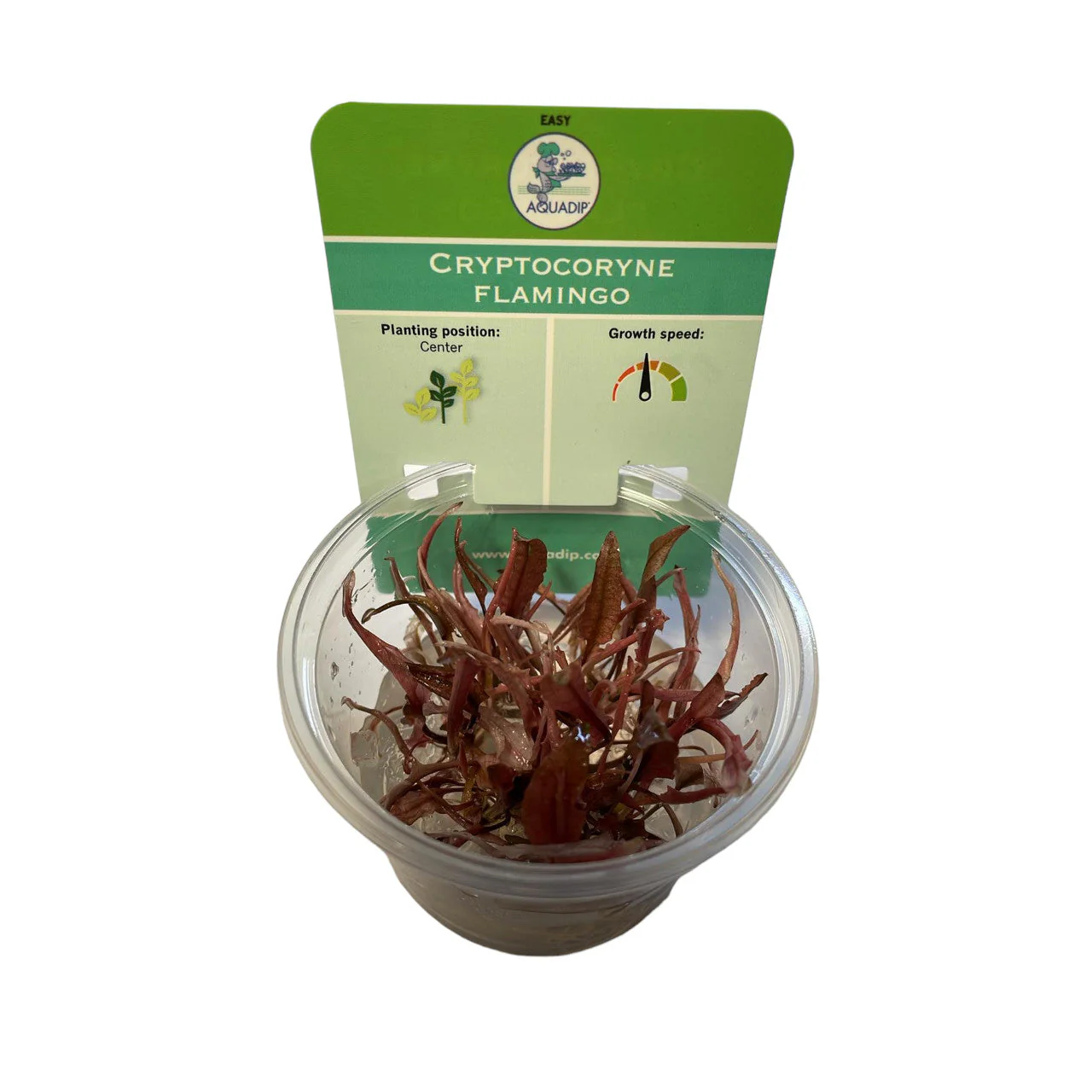
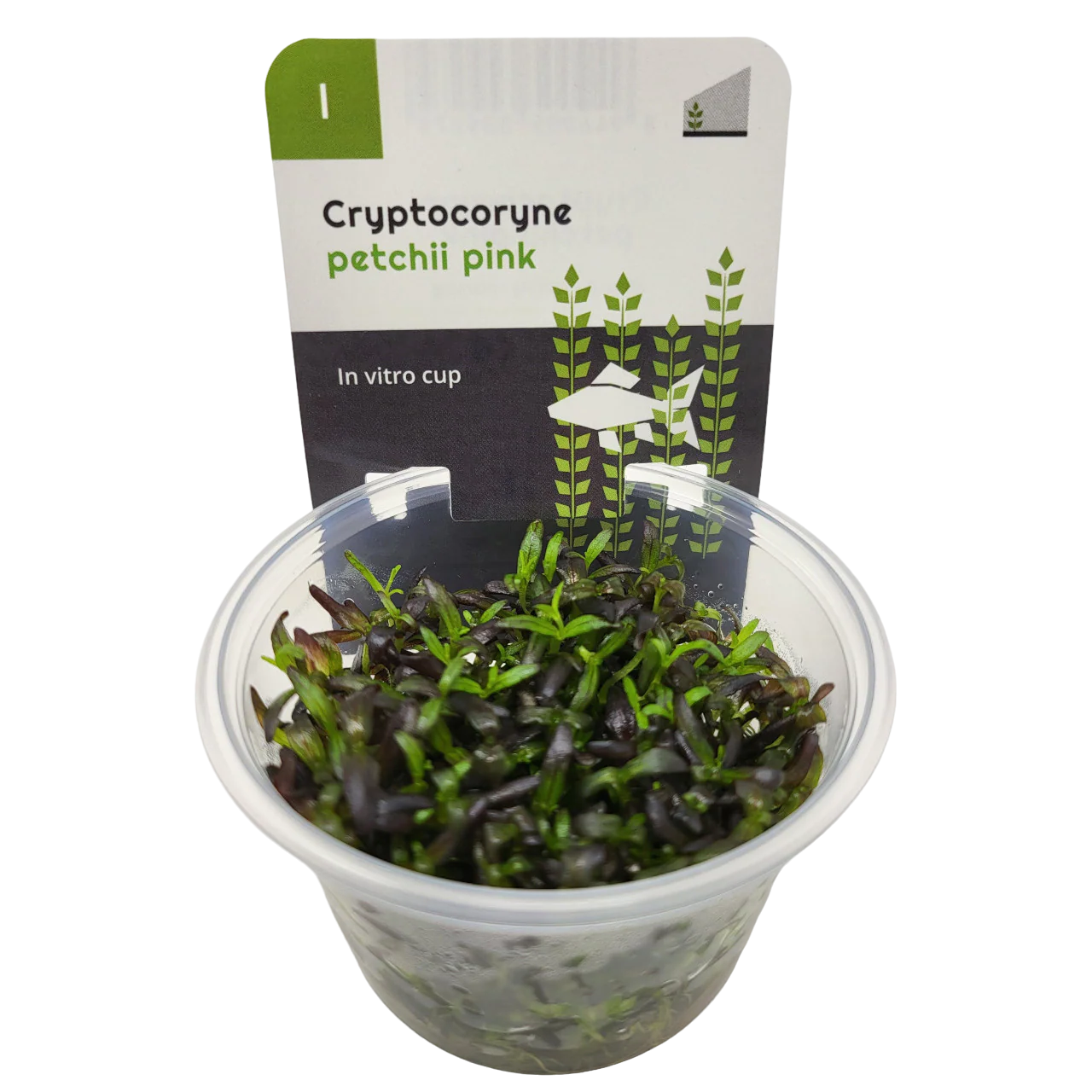
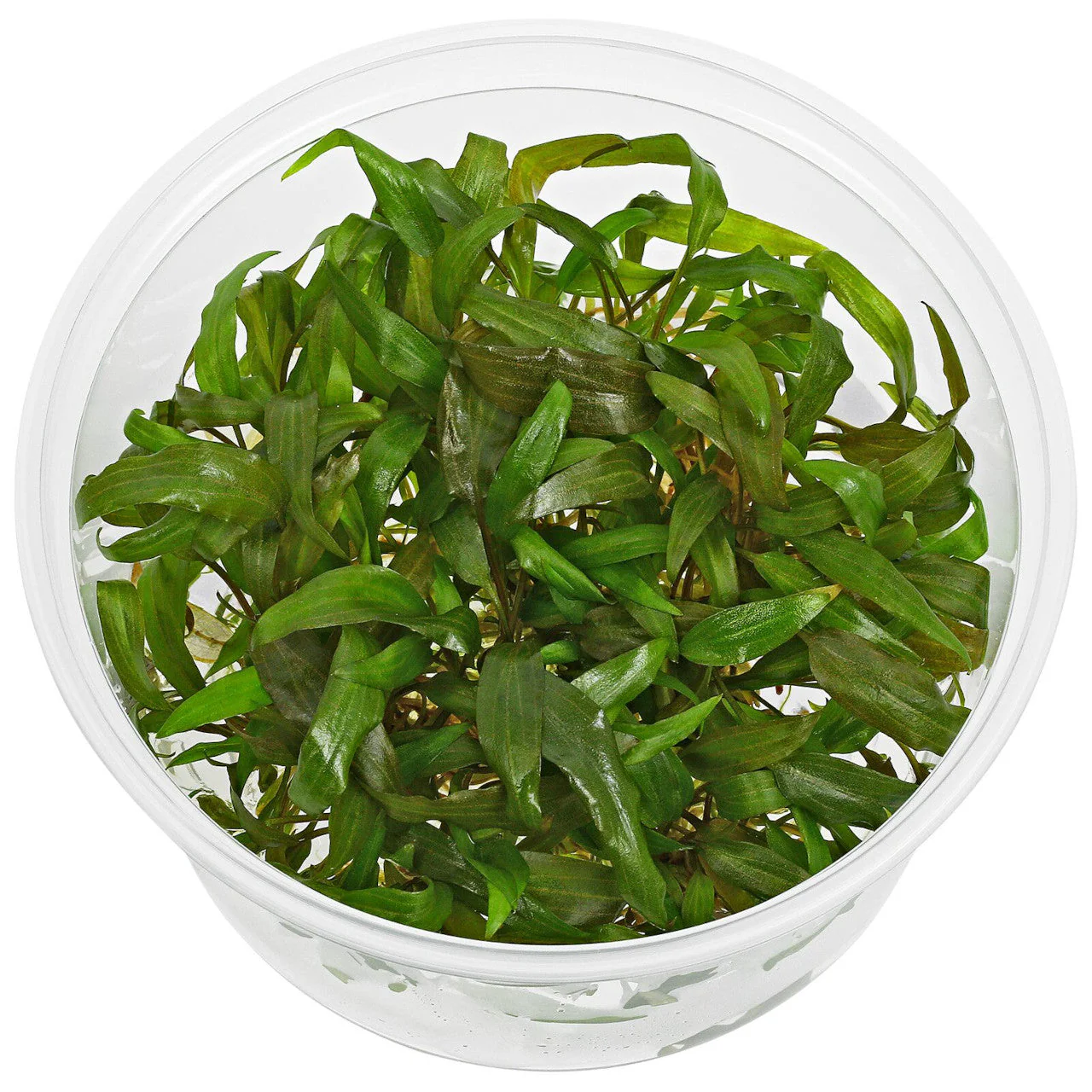
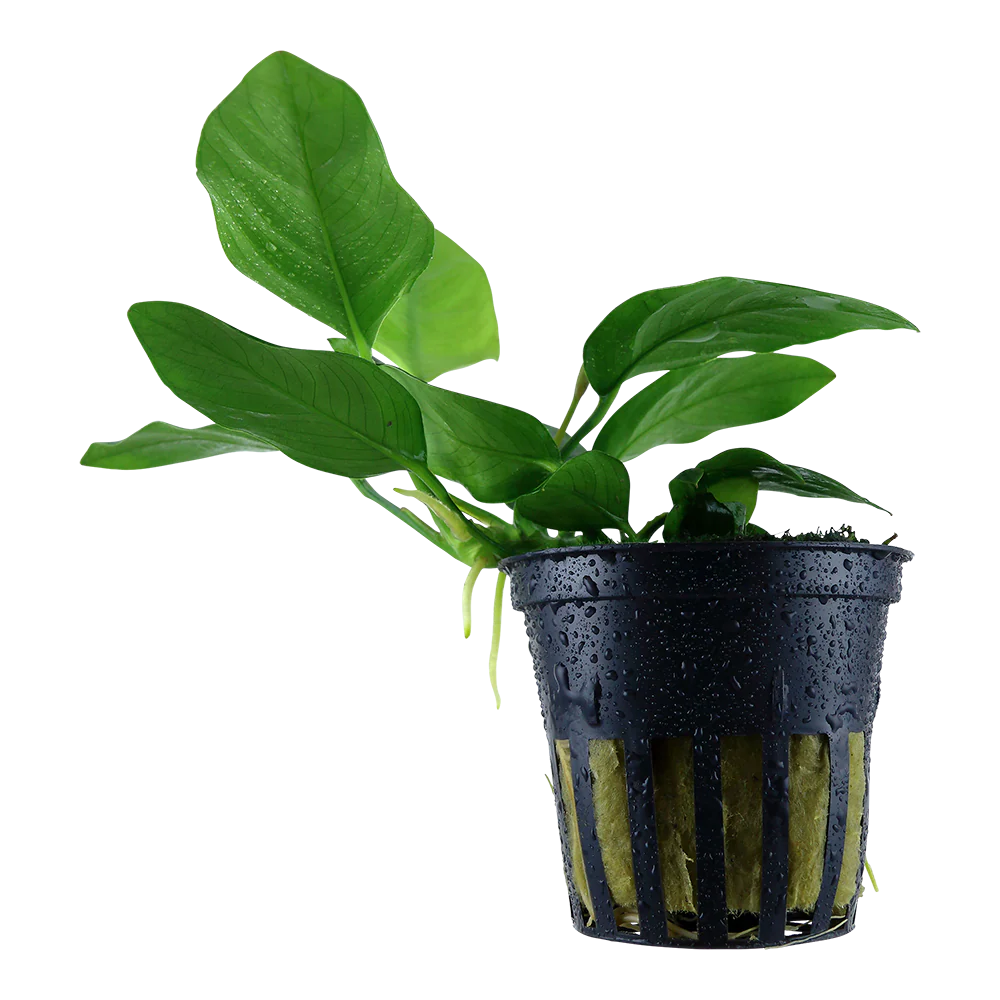
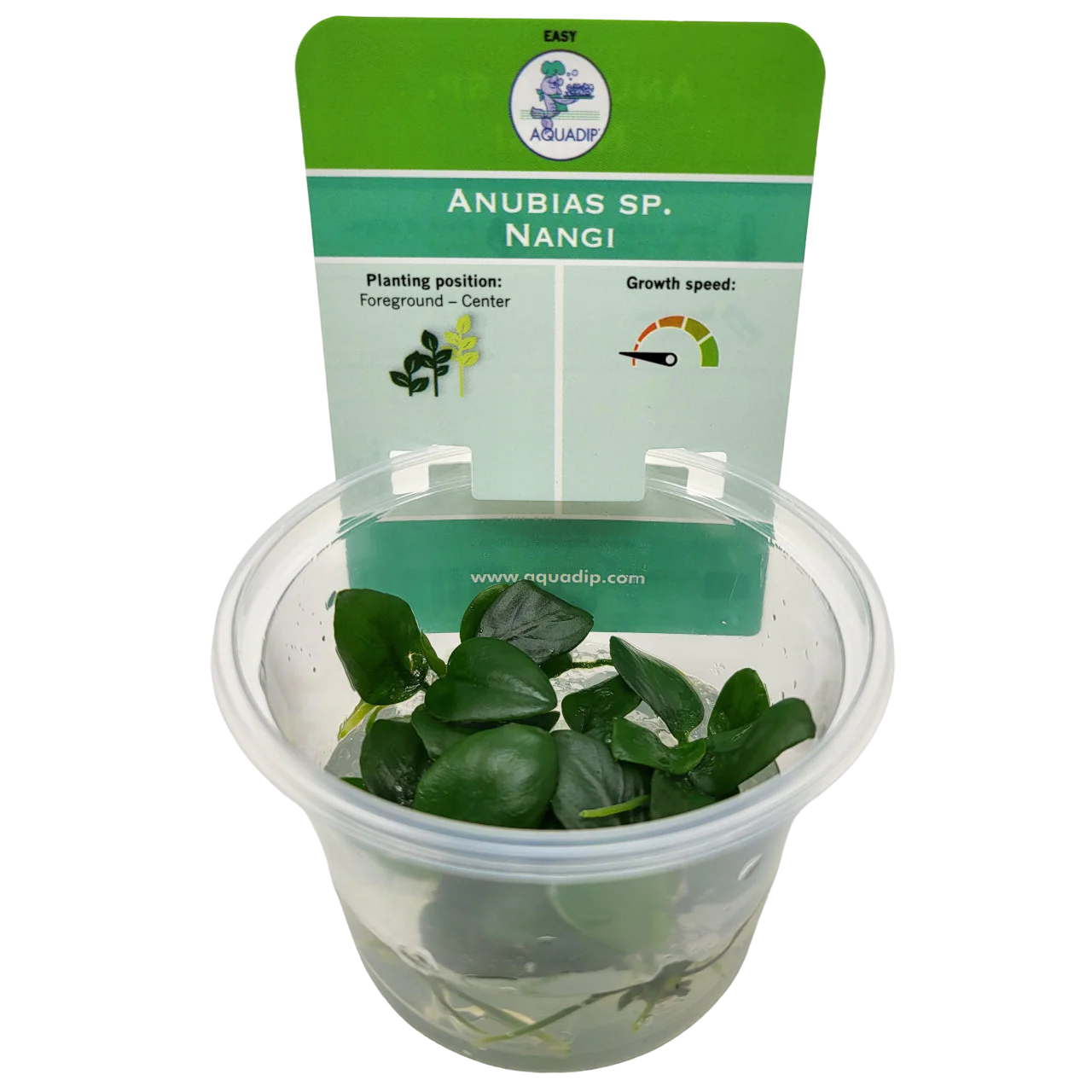
Aquarium plant from tissue culture in closed cup.
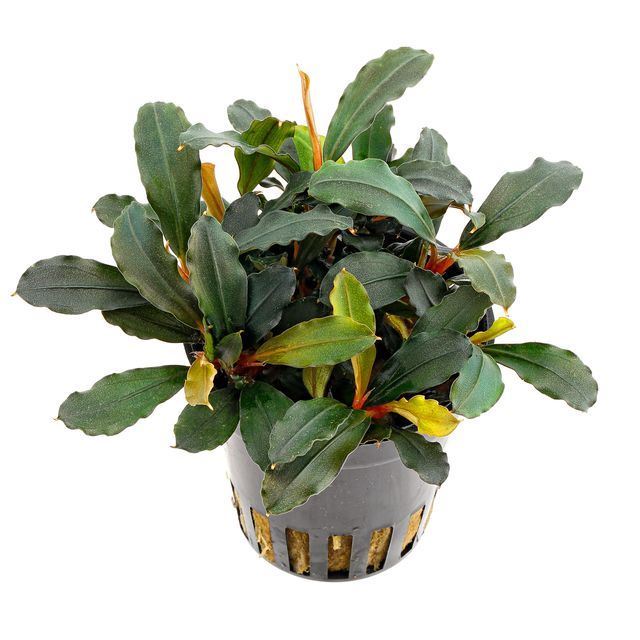
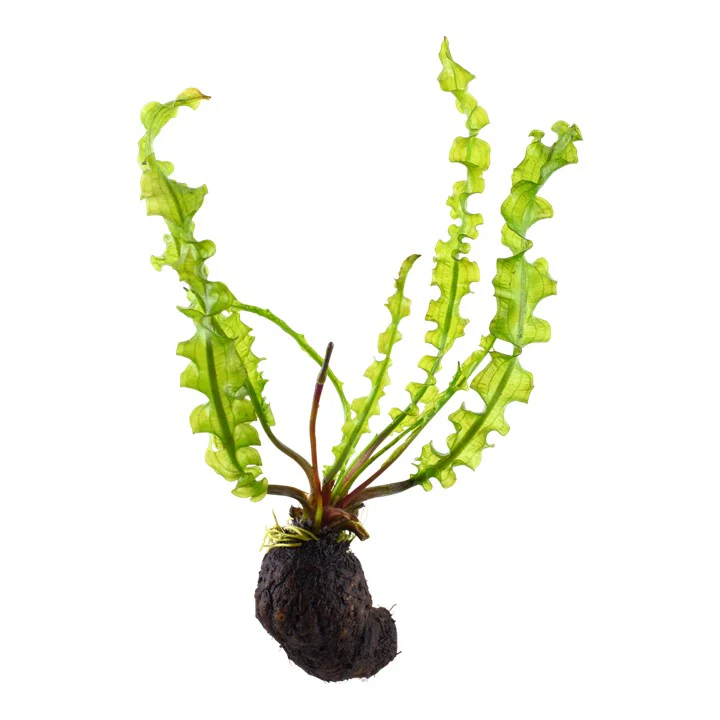
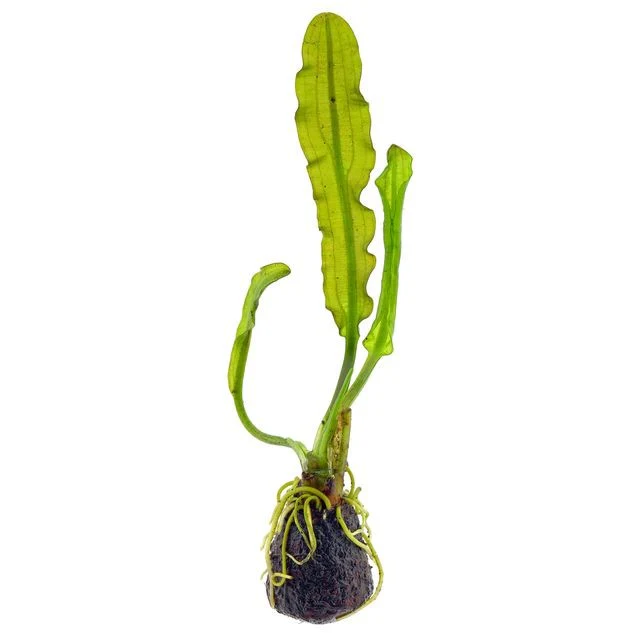
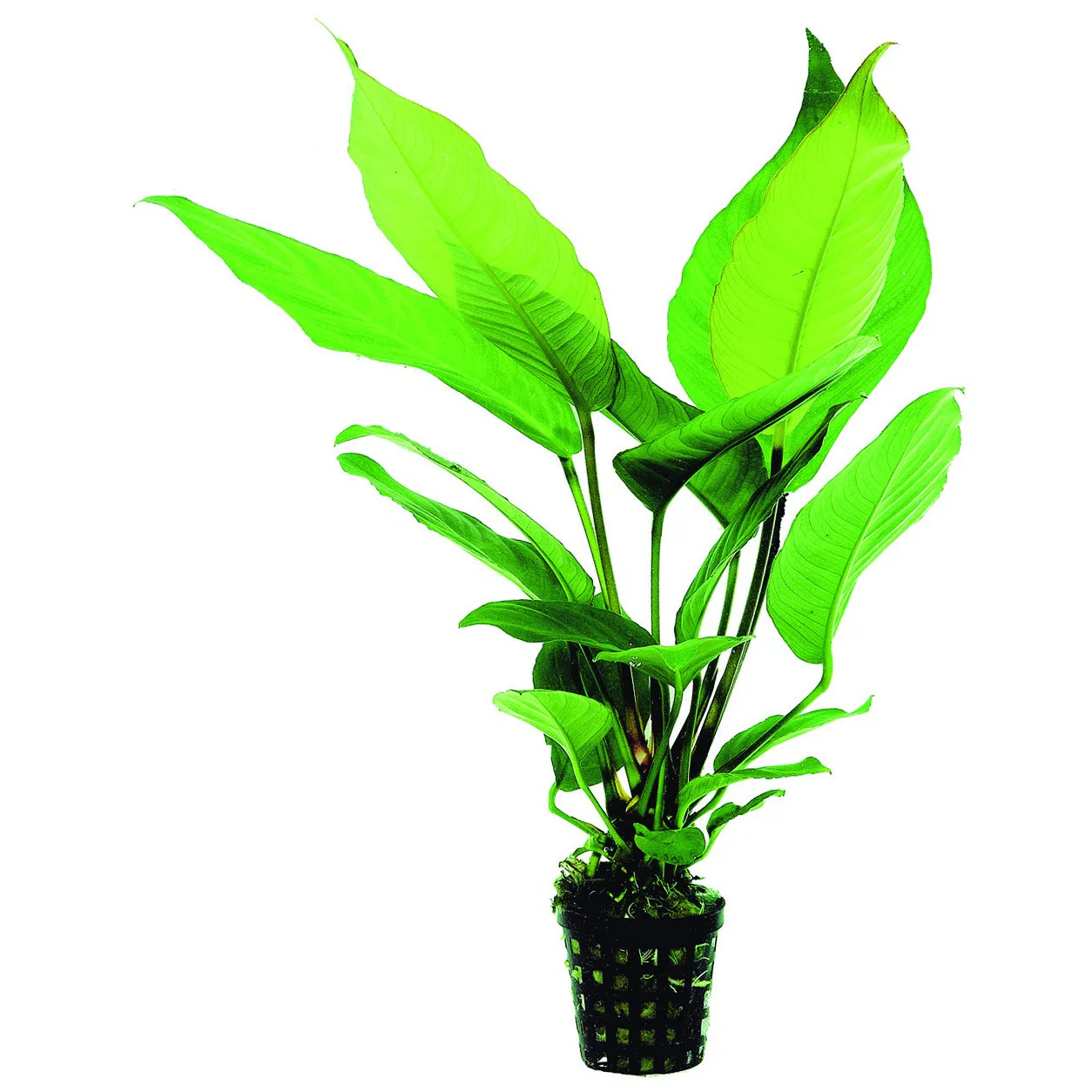
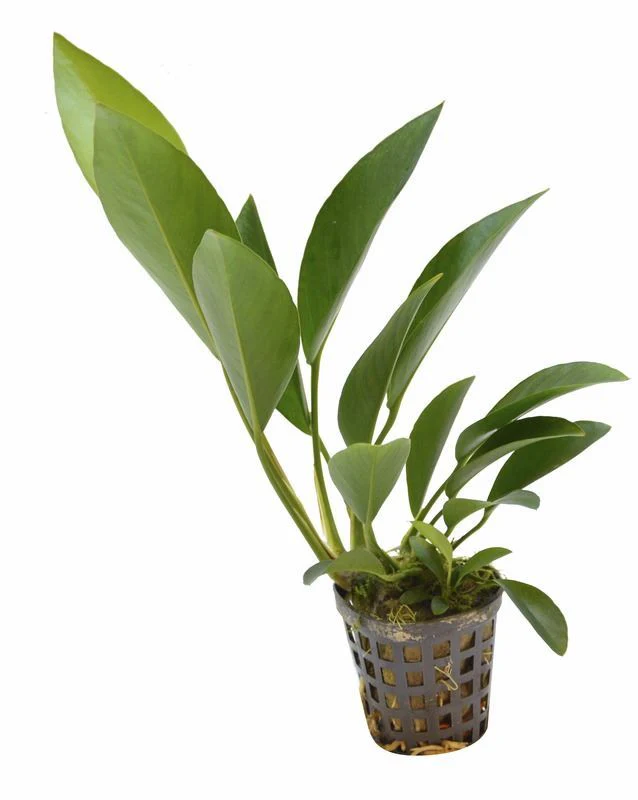
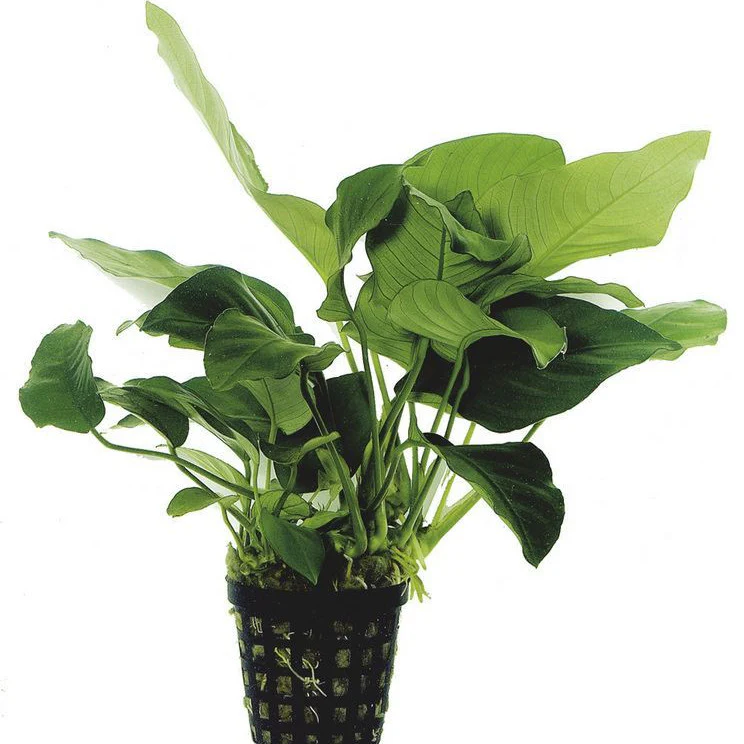
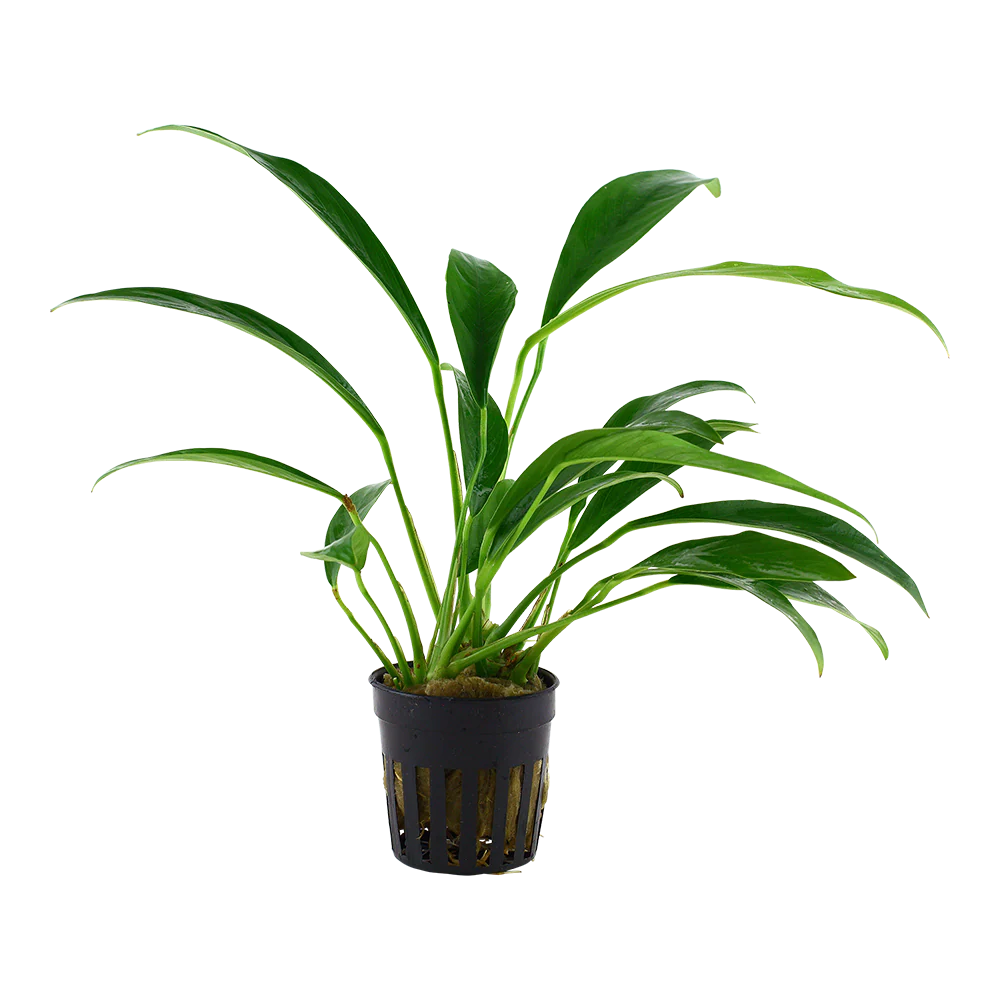
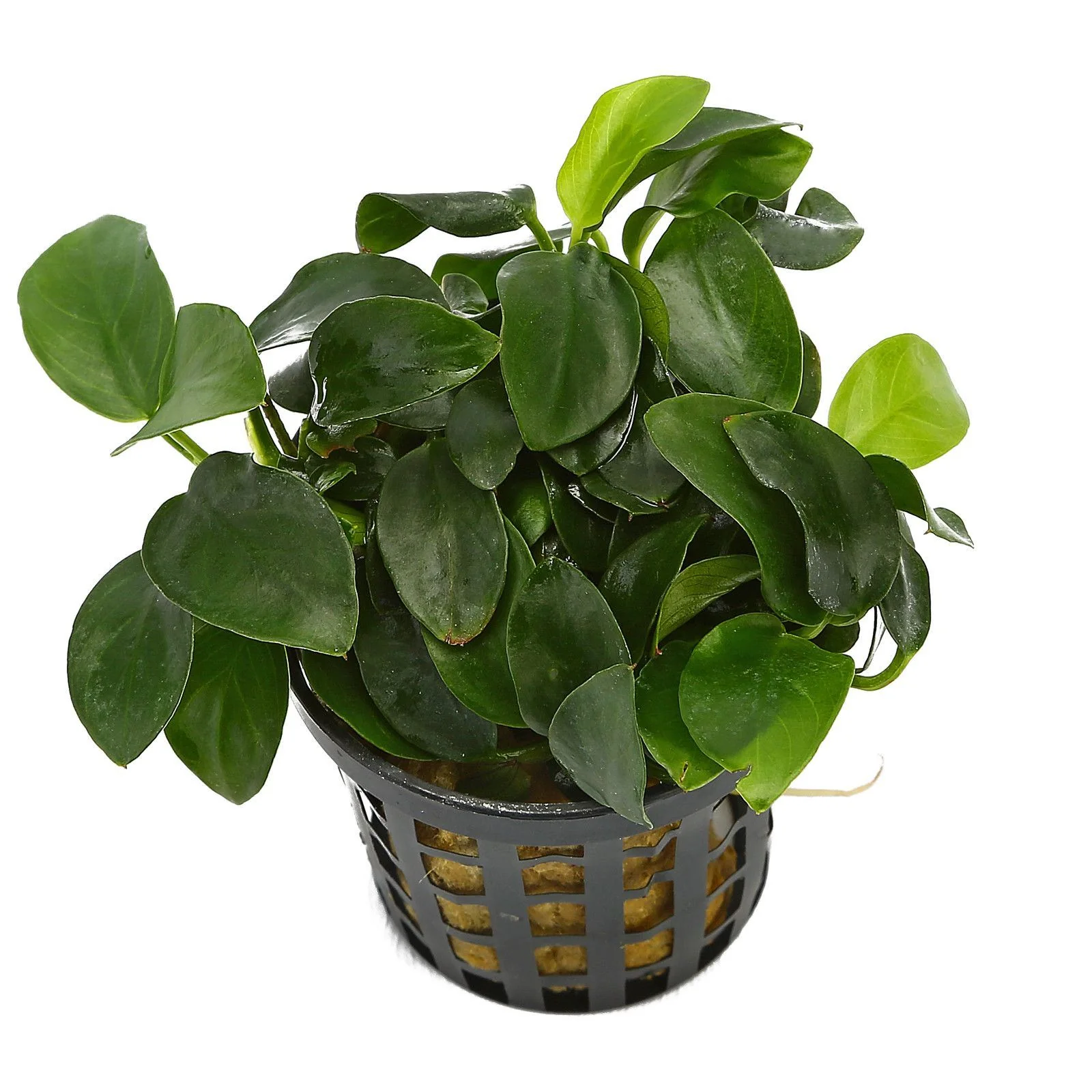
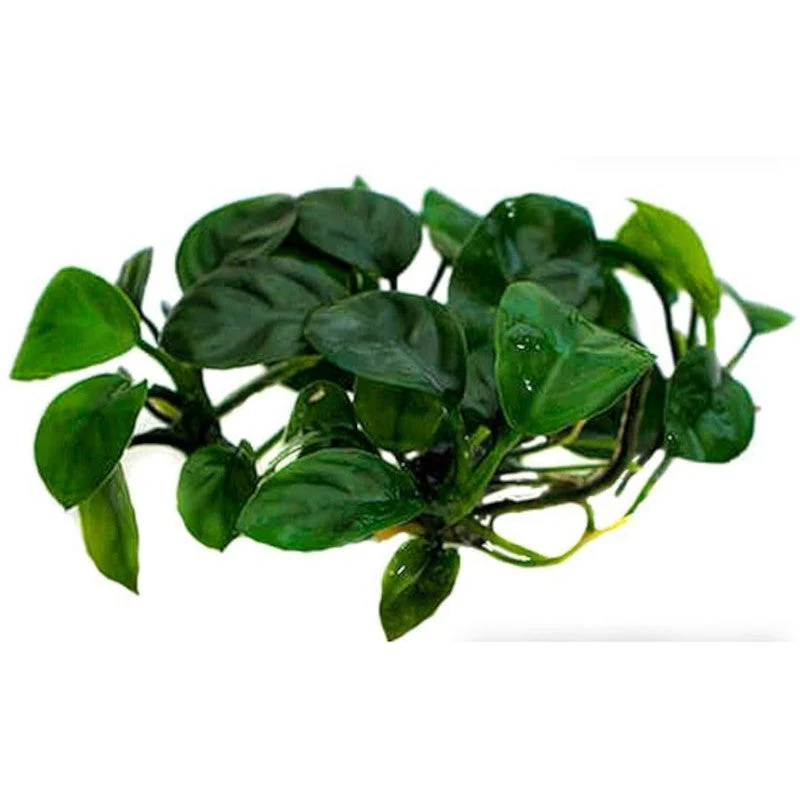
Anubias "Nangi" is a hybrid of A. barteri var. nana and A. gilletii, and it was first cultivated by Robert A. Gasser (Florida). It has been available in trade since 1986. It is rather unknown and not frequently cultivated these days, however it is produced by Dutch nurseries. Submerged in the aquarium, the plant develops leaf stalks around 5-10 cm long and leaf blades 8-11 cm long.
The Nangi Anubias is undemanding and grows well. Like other Anubias variants, this robust plant can be used in manifold ways.
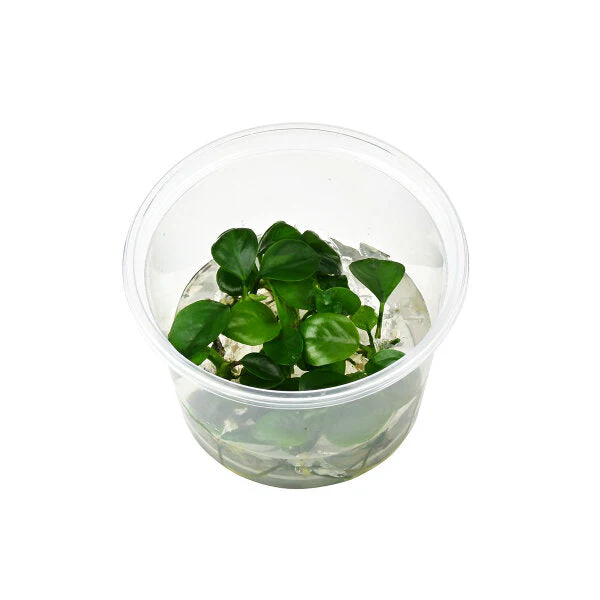
In-Vitro plants are cultivated under sterile conditions. This ensures that there are no pest infestations or pathogens present. Additionally, there are no algae, snails, or snail eggs. These are very compact, highly branched plants. The submerged habit eliminates the changeover phase from emersed to submerged in the aquarium.
Details & Craftsmanship
Every detail has been carefully considered to bring you the perfect product.
Details & Craftsmanship
Every detail has been carefully considered to bring you the perfect product.
Description
Aquarium plant from tissue culture in closed cup.
Anubias "Nangi" is a hybrid of A. barteri var. nana and A. gilletii, and it was first cultivated by Robert A. Gasser (Florida). It has been available in trade since 1986. It is rather unknown and not frequently cultivated these days, however it is produced by Dutch nurseries. Submerged in the aquarium, the plant develops leaf stalks around 5-10 cm long and leaf blades 8-11 cm long.
The Nangi Anubias is undemanding and grows well. Like other Anubias variants, this robust plant can be used in manifold ways.
In-Vitro plants are cultivated under sterile conditions. This ensures that there are no pest infestations or pathogens present. Additionally, there are no algae, snails, or snail eggs. These are very compact, highly branched plants. The submerged habit eliminates the changeover phase from emersed to submerged in the aquarium.